How to Store Chocolate and Help Prevent Bloom
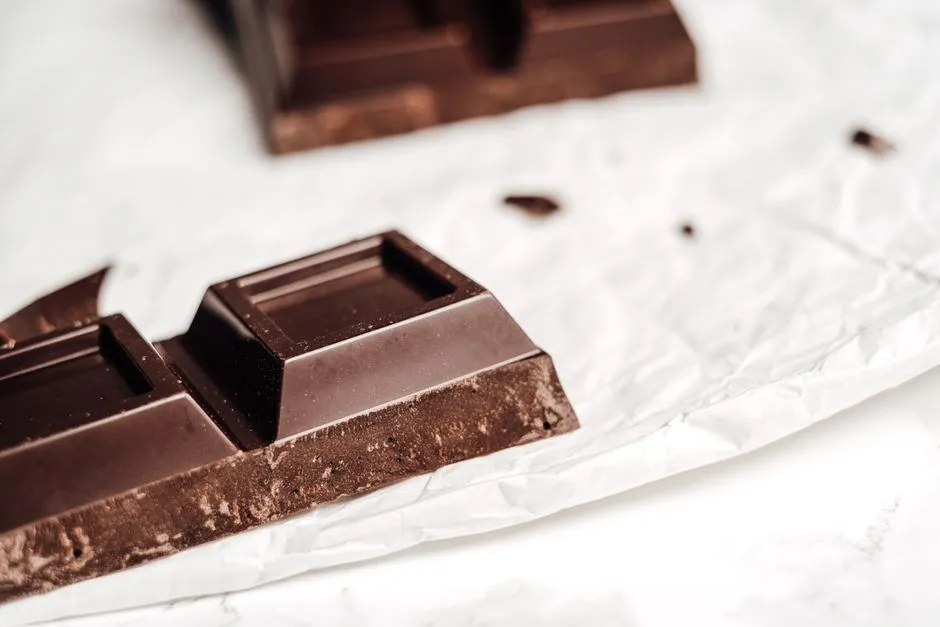
Keep chocolate cool, dry, dark, and stable
Store chocolate sealed in a cool, dry, dark place away from heat, sunlight, humidity, and strong odors, following the package directions. Stable conditions matter: repeated temperature changes can move fat within the chocolate or create condensation that dissolves surface sugar, contributing to pale bloom.
The storage-and-troubleshooting section begins with the storage history because a white film is a clue, not a diagnosis delivered by cocoa weather radar.
Understand the two broad kinds of bloom
Fat bloom can appear as gray, white, or streaky patches when cocoa butter or another compatible fat migrates and recrystallizes at the surface. Temperature fluctuation, imperfect temper, incompatible fats, or storage conditions can contribute. The surface may feel smooth or waxy.
Sugar bloom occurs when moisture dissolves sugar at the surface and then evaporates, leaving fine sugar crystals. The result often feels rough or dusty. Condensation after cold storage is one possible cause.
Appearance alone may not reliably separate them, especially in products with fillings, coatings, inclusions, or mixed fats. Bloom commonly affects texture and appearance, but a pale surface should not automatically be declared safe. Mold, spoilage, pest exposure, allergen cross-contact, damaged packaging, or an uncertain storage history are different concerns.
Use the original wrapper plus a barrier
Keep the manufacturer's wrapper when it closes well and add an airtight food-storage container or suitable outer barrier when odors or humidity are a concern. Label opened chocolate with the product and date so several anonymous brown packages do not begin a pantry identity crisis.
Chocolate readily picks up nearby aromas. Store it away from spices, onions, coffee, scented products, chemicals, and other strong smells. Keep allergen-containing products separated as required for the household, and prevent crumbs or utensils from creating cross-contact.
Do not assume decorative foil alone makes an airtight seal. Inspect packages for tears, pests, moisture, or contamination before use.
Avoid casual refrigerator trips
A stable cool pantry is often simpler than refrigeration when the label permits and the room stays suitable. Refrigerators are humid and full of odors, while a cold bar can collect condensation when opened in warm air.
If heat or the product's filling makes refrigeration necessary, wrap the chocolate well and place it in an airtight container. When removing it, leave the container sealed until the contents gradually approach room temperature. That keeps warmer humid air from immediately meeting the cold chocolate surface.
Follow the package's storage instructions for filled chocolates, dairy ingredients, fresh cream ganache, fruit, or other perishable centers. The shortest-lived ingredient controls the storage plan; a chocolate shell does not grant diplomatic immunity to cream.
Freeze only with a deliberate package plan
Freezing may suit some products when the manufacturer or a tested recipe permits it, but poor wrapping and rapid unpacking can introduce odor, freezer damage, or condensation. Use suitable moisture-resistant packaging, label it, and avoid crushing.
Thaw gradually while sealed—often first under refrigeration when the product guidance calls for it, then toward room temperature—before opening. Exact procedure and storage time depend on the particular chocolate or confection. A general article cannot assign one shelf life to a plain bar, nut cluster, truffle, and cream-filled bonbon.
Inspect with more than your eyes
Before using stored chocolate, check the label, date, packaging, storage history, odor, surface, and texture. Bloomed plain chocolate may still be useful in a suitable cooked or melted project when its handling is sound, though appearance, snap, or texture may be reduced. It may need correct tempering for a glossy finished confection.
Discard chocolate with visible mold, pest contact, chemical odor, damaged or contaminated packaging, off odor, leaking filling, or uncertain temperature control for a perishable center. Do not taste an item to determine whether suspected contamination is real.
The guide to why chocolate seizes explains what happens when moisture reaches the melting bowl, while chocolate technique covers dry-tool habits. Good storage is gloriously uneventful: stable conditions, sealed transitions, readable labels, and no dramatic white dust arriving five minutes before gift wrapping.